The allure of gambling: What draws people in?
The thrill of gambling often stems from its inherent unpredictability and excitement, especially when players seek out the best online pokies to enhance their experience. Many individuals are lured by the prospect of winning substantial amounts of money in a short span, which creates a potent mix of anticipation and adrenaline. This psychological phenomenon can be linked to what behavioral psychologists call the “near-miss effect,” where players feel a heightened sense of excitement when they come close to winning, increasing their desire to play again. The brain responds to these moments by releasing dopamine, reinforcing the behavior and keeping players coming back for more.
Addiction to gambling often starts innocently, with individuals seeking out the social aspects of casino environments. Casinos are meticulously designed to be inviting, featuring lively atmospheres with upbeat music, intricate lighting, and the clinking sounds of coins and chips. These sensory stimuli create an environment that promotes fun and adventure, drawing people to engage with their games. Social interactions, such as sharing wins or discussing strategies with fellow players, enhance the appeal, making gambling a communal experience that fosters a sense of belonging.
Moreover, the psychological state of denial plays a vital role in the gambling experience. Many players convince themselves that they are on the verge of a big win or that their streak of losses will surely turn around, showcasing a phenomenon known as the “gambler’s fallacy.” This cognitive distortion compels individuals to believe that past outcomes influence future probabilities, distorting their judgment and decision-making processes. Ultimately, these psychological elements create a compelling narrative that keeps players engaged, often against their better judgment.
The role of risk perception in gambling behavior
Risk perception significantly influences gambling behavior, where individuals often misjudge the odds. Many gamblers tend to overestimate their chances of winning, believing that their skills or strategies will outsmart the house edge. This miscalculation is exacerbated by the psychological phenomenon known as the “illusion of control,” where players believe they have more control over random events than they actually do. This illusion can lead to reckless betting and a disregard for financial limits, creating an environment conducive to problem gambling.
Furthermore, research indicates that the perception of risk varies greatly among individuals. Some may find thrill in high-risk games such as poker, whereas others might favor low-stakes games with seemingly less risk. This variation illustrates that individual experiences, personality traits, and past encounters with gambling shape how risks are perceived and managed. A player with a high tolerance for risk may seek out high-stake environments, believing that the potential for large rewards justifies any losses, while a more cautious player may restrict themselves to safer betting limits.

The framing of gambling experiences also plays a critical role in shaping risk perception. For instance, casinos often use marketing strategies that emphasize winning experiences while downplaying losses. This selective presentation reinforces the excitement of gambling but also impacts how players engage with risk. By focusing on success stories and large payouts, casinos cultivate an environment where the perception of risk becomes blurred, nudging individuals to engage in betting behavior they might otherwise avoid.
Emotional ties: How feelings affect gambling choices
Emotions heavily influence gambling behavior, often determining the choices players make and the amount they wager. For many, gambling serves as a method of coping with stress, anxiety, or other negative feelings. Engaging in games can provide temporary relief or distraction from life’s challenges, resulting in players using gambling as a form of escapism. When emotions run high, individuals may chase losses in an attempt to recover from previous expenditures, perpetuating a cycle of risky behavior that often leads to further financial distress.
The heightened emotional state experienced during gambling can also lead to impulsive decisions. For example, when a player is experiencing a winning streak, they may become overconfident, increasing their bets and risking more than they would under normal circumstances. Conversely, in times of loss, the instinct to recover can manifest in an urge to continue playing, often with the hope of turning things around. This interplay between positive and negative emotions creates an unpredictable gambling environment where decisions tend to be reactive rather than calculated.
Moreover, social contexts can amplify emotional influences in gambling. The enjoyment derived from being in a casino with friends or fellow gamblers can create a sense of euphoria, encouraging risk-taking behavior. Group dynamics often play a pivotal role, as players may develop a fear of missing out (FOMO), compelling them to partake in games or bets they would otherwise avoid. This emotional contagion can amplify the stakes, pushing individuals into higher bets and riskier environments than they initially intended.
The influence of environment and design on gambling behavior
The design of a casino is meticulously crafted to manipulate player behavior and enhance the overall gambling experience. From the layout of slot machines to the placement of table games, every aspect is engineered to keep players engaged and spending. The absence of clocks and windows removes any sense of time, allowing players to lose track of hours spent gambling. This design strategy encourages longer play sessions, often leading to increased expenditures as players remain in an immersive environment without consideration for their financial limits.
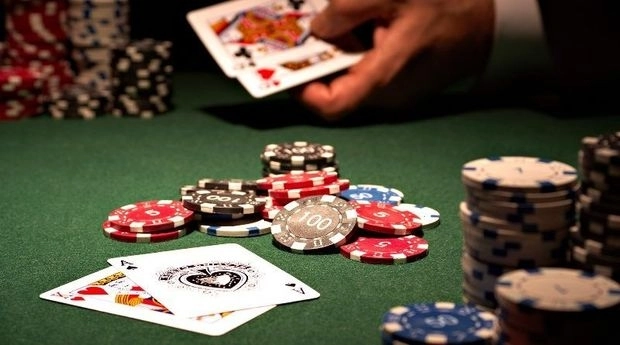
Lighting and sound play crucial roles in the psychological experience of gambling as well. Bright lights, vibrant colors, and the sounds of coins clinking create a stimulating atmosphere that reinforces excitement and engagement. These sensory cues evoke feelings of joy and success, especially when players hit a jackpot or win a hand. On a subconscious level, this can create an association between the environment and positive feelings, drawing players back to recreate those euphoric moments.
Furthermore, the use of rewards and incentives is strategic in gambling environments. Casinos often employ loyalty programs or incentive schemes that reward frequent players with bonuses, free plays, or complimentary services. These rewards create a subconscious obligation for players to continue gambling, as they perceive they are receiving value for their loyalty. By intertwining environment, design, and psychological rewards, casinos amplify the gambling experience and encourage players to continue their engagement long after initial excitement wanes.
Understanding responsible gambling and its importance
Promoting responsible gambling is crucial for ensuring individuals can engage with gambling in a manner that doesn’t lead to harmful behaviors. As the psychological aspects of gambling become more understood, the importance of mindfulness and self-management in gambling environments becomes increasingly evident. Educational initiatives aimed at informing players about the potential risks associated with gambling can raise awareness and foster a culture of responsible behavior. Players equipped with knowledge can make better decisions about their gambling practices, minimizing the risk of developing unhealthy habits.
Moreover, there is a growing recognition of the role that casinos themselves play in promoting responsible gambling. Many establishments are beginning to implement features that allow players to set personal limits regarding their spending and playtime. These measures encourage players to take control of their gambling activities and foster a healthier relationship with games. Creating environments where responsible gambling is endorsed helps reduce the prevalence of gambling-related issues, ensuring that the experience remains enjoyable rather than detrimental.
Online platforms are also stepping up efforts by employing tools and resources that promote responsible gambling behavior. Features such as self-exclusion options, real-time spending tracking, and access to support networks allow players to remain informed and responsible in their gambling habits. By providing resources and support, online casinos create a safer gambling environment, enhancing the overall experience while reducing the likelihood of negative outcomes.